Intersectionality
What is Intersectionality?
You may have heard the word intersectionality before, but what does it really mean, and why is it important in feminism? Let’s break it down in a way that’s easy to understand.
The Basics
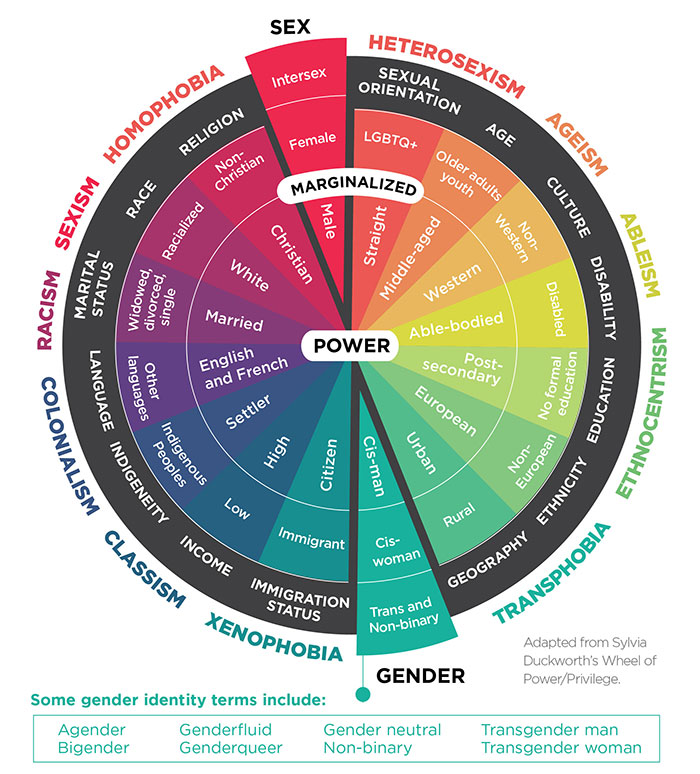
Intersectionality is a way of looking at how different parts of our identities come together and shape our experiences in the world. For example, things like gender, race, sexuality, class, and ability aren’t separate boxes—they overlap and affect each other in complex ways.
The term intersectionality was first used by Kimberlé Crenshaw, a Black feminist scholar and lawyer, in the late 1980s. Crenshaw noticed that women of color, particularly Black women, faced unique challenges that weren’t addressed when people looked at either gender or race alone. By considering both gender and race together, we get a fuller picture of the unique experiences of Black women and other groups who don’t fit neatly into one category.
How Does Intersectionality Work?
Think of intersectionality like a road intersection. Each part of our identity—like being a woman, being Black, being LGBTQ+, or having a disability—is a different road that crosses at that intersection. The more roads intersect, the more complex the experience. Some people face challenges at only one “road” (like gender), but others are at the center of multiple roads and may experience overlapping discrimination or privilege.
For example:
- A white woman and a Black woman both face sexism, but the Black woman might also experience racism, making her experience different from that of a white woman.
- A wealthy woman and a low-income woman may both face gender discrimination, but their social class impacts their opportunities and access to resources, creating very different situations for them.
Why Does Intersectionality Matter?
Intersectionality matters because it helps us understand that people’s experiences aren’t “one-size-fits-all.” By looking at different aspects of identity together, we get a clearer picture of why certain groups face unique challenges. It also shows us that solutions to issues like sexism or racism can’t be one-size-fits-all either.
In feminism, intersectionality is essential because it makes sure we’re not leaving anyone out. A movement that only considers the experiences of one group of women can miss or ignore the needs of others who face additional challenges. Intersectional feminism works to include everyone’s voices, recognizing that we all bring unique experiences and perspectives.
Examples of Intersectionality in Real Life
Intersectionality can help us understand why certain problems exist and how we can address them. Here are a few examples:
- Healthcare: Women generally face specific health challenges, but women of color often face even greater barriers due to both gender and racial biases in medicine.
- Workplace Discrimination: A person with a disability might face challenges at work. If that person is also a woman, she may experience gender discrimination on top of challenges related to her disability.
- Media Representation: Media often represents people in stereotypical ways. Intersectionality shows us that people are more than one identity and challenges media to create more diverse and realistic portrayals.
Intersectionality in Feminism
In an intersectional approach, feminism looks at all these factors—race, class, sexuality, ability—together. This means that feminist issues are not just about gender alone but include a range of identities and experiences. When we think about equality, we need to think about equality for all people, not just some.
Intersectionality reminds us that everyone’s experiences are unique, and each person’s identity shapes how they experience the world. By learning and thinking about intersectionality, we can understand others better and work together to create a more inclusive and fair world.
That’s a quick look at intersectionality! It’s a big idea with a powerful message: that our identities are connected and that each person’s experience is worth understanding in all its complexity.